Rooted
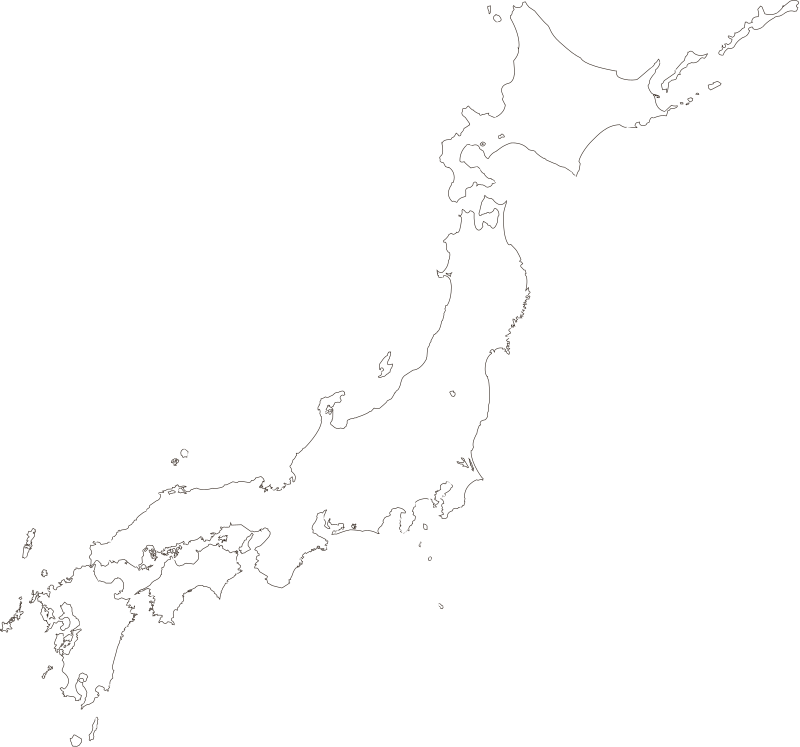
Regions where our relationships and operations have taken root.
Nihonbashi / Setoda / Nagatoyumoto / Hakodate / Okayama / Akiya
Nihonbashi
日本橋
SOIL Nihonbashi Hotel, timsum, Parklet Nihonbashi, Staple, Pizza Tane, and more
“Nihonbashi is where Japan’s many local cultures meet.”
In Tokyo, where people and goods are always on the move and the city is constantly changing, a place’s distinctive atmosphere—its warmth, scents, and character—can be hard to discern. Yet Nihonbashi has long been a center of merchant and artisan culture. As the starting point of Japan’s five historic highways, it has welcomed people, goods, and traditions from across the country. At Staple, we see Nihonbashi as a meeting point between the city and the many local communities beyond it. We bring the people, things, and cultures we encounter in those places to Nihonbashi, then carry the new connections made here onward to other communities in turn.
Setoda
瀬戸田
SOIL Setoda, Minatoya, Kankitsu stand, and more
“Shiomachi, a place to call home.”
It is an idea we have shared with our neighbors in Setoda. Staple first came to this island in 2017. With the ambition of putting Setoda on the global map, our work began with a workshop in 2019. Through SOIL Setoda, a film festival, and a marathon, we have been working toward a town that makes visitors think, “I’d like to live here one day.” As residents ourselves, we will continue looking beyond tourism to education and welfare, nurturing the everyday life that makes people want to keep calling this place home.
Nagatoyumoto
長門湯本
SOIL Nagatoyumoto, Tane, and more
“From a single hot spring, relationships grow—between people, and with the town.”
Nagatoyumoto has a way of drawing visitors into its life, often before they realize it. This comes from years of patient work by local people, with public and private partners working together to care for the town around Onto, its communal bath. Here, residents and travelers meet naturally, and adults and children share the same waters. Through encounters with these everyday rituals and with local producers working closely with Yamaguchi’s natural landscape, Staple wants to offer time to rediscover what makes life truly rich. We are creating stays that invite travelers not simply to visit, but to become part of this place and help nurture the town.
Hakodate
函館
Portside Inn Hakodate, Homm and more
“Port towns thrive on people coming and going.”
These were words we heard from someone in Hakodate. Long a northern gateway, the city has welcomed ships, people, and cultures from across Japan and beyond. That history of exchange is still felt in views of the harbor from its hillside streets, in the red-brick warehouses, and in the bustle of the morning market. Yet for those who remember a livelier city, today’s quieter streets can also bring a sense of loss. Staple is creating places where visitors and residents naturally cross paths, helping bring a renewed flow of people to this port city.
Okayama
岡山
A&A Jonatahan Hasegawa, A&A Liam Fuji, C&C, and more
“You don’t need to make plans. Just go to C&C and you’ll run into someone.”
It is something we have begun to hear from people in Okayama. The Asahi River flows through the city, home to Korakuen, one of Japan’s three great gardens. Beneath streets that survived wartime air raids, old castle walls still lie buried. Museums and public art are part of the streetscape, as are the warm greetings exchanged with people who live here. This everyday richness is part of what makes Okayama itself. Known as the “Land of Sunshine,” its gentle climate seems to find an echo in the easygoing warmth of its people. Through culture, Staple is creating new meeting points, bringing people together and helping rekindle the city’s energy.
Akiya
秋谷
Soil work Akiya and more
“There is something about Akiya you won’t find anywhere else.”
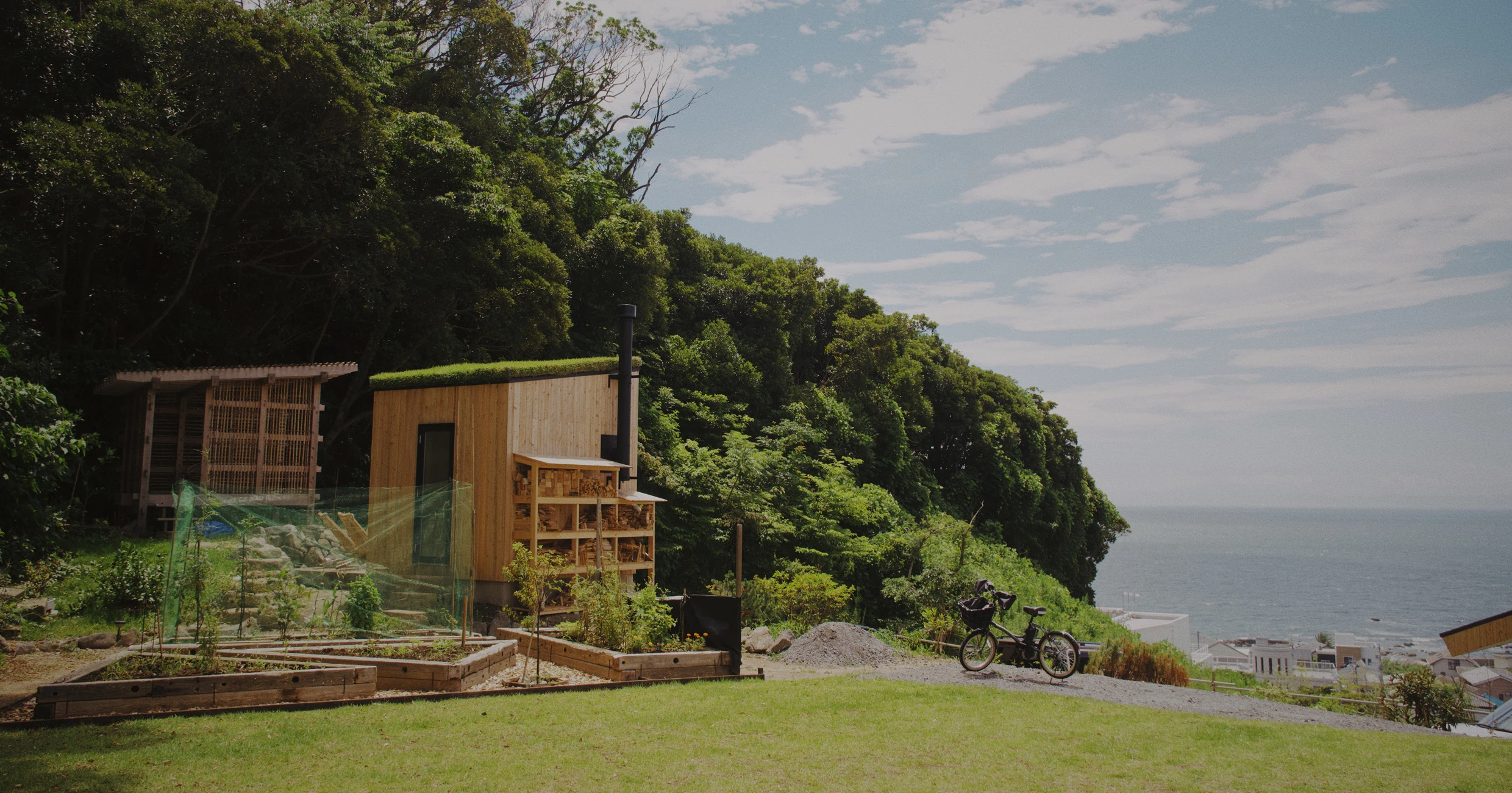
We heard this from local people, along with their frustration at the area being called “South Hayama.” It became the starting point for Staple’s work here. A short journey from Tokyo, Akiya sits between the mountains and the sea on the Miura Peninsula, where life moves at an unhurried pace. Even the long-loved view of Mount Fuji from Tateishi Park is part of the everyday. Like those who have moved here for this way of life, we are drawn to the richness particular to this place. By caring for the life already rooted here and sharing it with visitors, we are opening Akiya to Japan and the wider world as Akiya, on its own terms.
In development
Regions where planning and development are underway.
Minakami / Teshima / Nagasaki / Sapporo / Awajishima
Minakami
みなかみ
“Immerse yourself in Minakami.”
At the headwaters of the Tone River, Minakami is a place where mountains, rivers, and hot springs are woven into daily life. Its once-bustling hot spring town is now at a turning point, with its next chapter still taking shape. Staple has become part of that change: meeting local people each day, talking, and sometimes working side by side. We head into the mountains, spend time by the river, soak in the hot springs, and get to know the people who live here. By sharing in these daily pleasures, we are putting down roots in Minakami, gradually deepening the connections between people and nature, and between people and the town.
Nagasaki
長崎
“Nurturing a living history.”
Through its harbor and the sea beyond, Nagasaki has long been connected to the wider world. What arrived by sea, what grew in the mountains and on the islands, and what people shaped through their daily work have all taken root here, forming layer upon layer of history. As this layered history becomes something to consume, the ways of life that created it can begin to fade from view. Yet the openness and optimism of Nagasaki’s people keep the question alive: what can we do in a new era? Staple wants to nurture this living history together with them, creating places that connect the work and lives of farmers, fishers, and craftspeople. From Yamate and Teramachi to the city’s bustling streets, so many layers lie within walking distance. Here, we will keep nurturing the layers of daily life that make up the city.
Sapporo
札幌
“Sharing sound and movement.”
Sapporo is gathering momentum as a hub for Japan’s north. In a city that has long welcomed the new, the excitement of change coexists with a sense of loss for familiar places. We cannot bring the past back, but we can move forward with care for the ways of life and memories that came before. As Sapporo becomes more international, we believe places where people can connect through their senses, without relying on words alone, matter more than ever. Longtime residents, new arrivals, and visitors from Japan and abroad can listen to the same music and move to the same rhythm. Staple is making these shared moments a starting point for the city’s future: an everyday life in which people naturally come together.
Awajishima
淡路島
“Between sea and soil.”
On Awajishima, the mountains and sea lie close together, and eating and making are naturally connected to the life of the land. Along the island’s coast, Staple is creating architecture that could only belong here. Sea breezes, the scents of soil and plants, time around a fire, and the food cooked over it are all part of the process. Each encounter with the island’s people and their work reveals another side of this place. These experiences are gradually shaping the architecture, the food, the scents, and the way time will be spent here. We are creating a place where people can connect with the island through their senses.
Asakusa
浅草
“Feel the pulse of everyday life.”
Known as a symbol of Japanese culture, Asakusa draws many visitors. Alongside the bustle are the everyday lives of the people who live and work here. There are the sounds of shops opening in the morning, the hands of craftspeople making and mending, and greetings exchanged between familiar faces. Look closely and a quality emerges that a passing visit might miss: iki, an understated grace in everyday life. For us, iki is another way of looking at how we live—through small gestures and words, and in our relationships with objects and places. Looking beyond labels such as “rural” and “urban,” Staple is engaging with the local character that lives here, helping shape the future of Asakusa’s everyday life.